According to the Division for Early Childhood of the Council for Exceptional Children Recommended Practices, practitioners should provide evidence-based practices within naturalistic routines to promote the best outcomes for young children. In order to facilitate the use of evidence-based naturalistic interventions that occur within the daily routine, we must implement strategies best suited for diverse populations of learners.
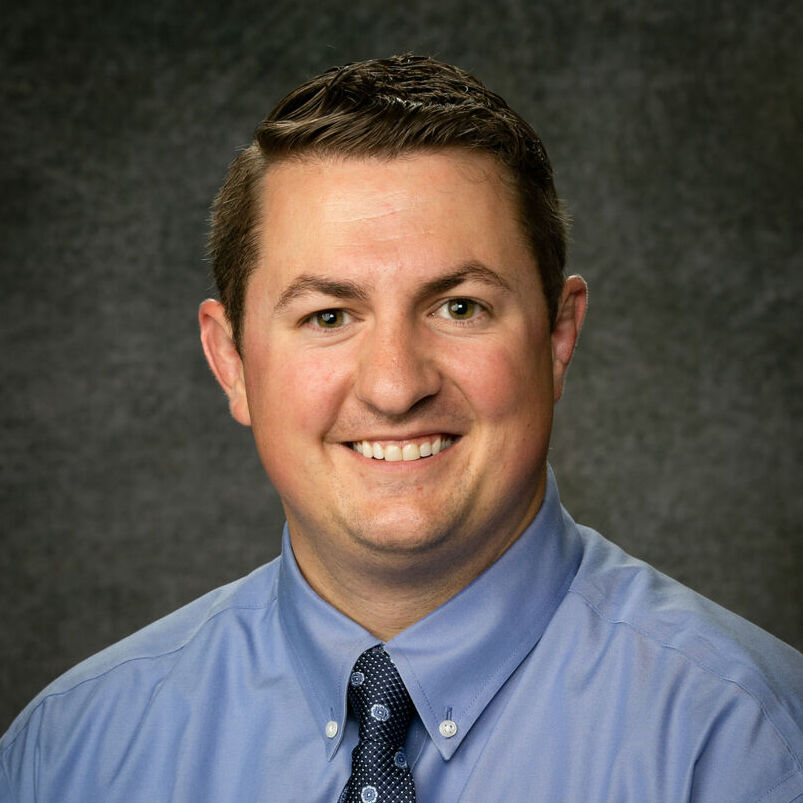
Marisa Macy is full professor and holds the John P. Ellbogen Foundation Professorship of Early Childhood Education at the University of Wyoming. Macy has more than 25 years of experience as an educator. Macy, a Seattle native, earned a bachelor’s degree in English at the University of Washington and a post baccalaureate in K–12 special education from St. Martin’s College in Olympia, Washington. She received master... Read More →
Most leadership challenges in schools are not rooted in policy, programs, or systems. They are rooted in conversations that escalate, stall, or end without clarity. The Next Conversation is designed for principals who want practical, research-informed strategies to navigate high-stakes conversations with students, staff, and families.
This session is unique because it moves beyond generic communication advice and focuses on what actually happens in real leadership moments. Participants will learn how to regulate emotions before difficult conversations, use intentional framing to reduce defensiveness, and apply questions of intent that clarify expectations while preserving relationships. The strategies shared are immediately usable and directly aligned to the daily realities principals face.
Educators should choose this session because it provides concrete tools, real scenarios, and a clear framework for improving the conversations that shape school culture. Participants will leave with actionable language they can use in their very next conversation, not just ideas to consider later.
Making Words Stick is a dynamic, evidence-based session focused on how multisensory instruction can strengthen letter-sound learning, improve automaticity, and support long-term reading success in the primary classroom. Grounded in the science of reading, this presentation explores how explicit, systematic teaching of letter names, letter sounds, and high-frequency words through visual, auditory, kinesthetic, and tactile pathways helps young learners build stronger neural connections for reading and increases retention of foundational literacy skills. Through research-aligned practices and classroom application, participants will gain a deeper understanding of how multisensory instruction supports fluent word recognition and helps words truly “stick” for beginning readers while leaving with practical ideas they can immediately apply in the primary classroom.
With more than 25 years in education, I am an elementary teacher, literacy advocate, and structured literacy leader from Powell. I hold a Master’s degree in Reading, National Board Certification in Literacy, and extensive training in the Science of Reading, including LETRS, Orton-Gillingham... Read More →
Monday August 3, 2026 1:45pm - 2:45pm MDT Jackson C
This session moves beyond the now-familiar conversation about the Science of Reading and answers the next critical question: How do we design instruction so that struggling adolescent readers actually retain and transfer what we teach? While many conference sessions focus on what to teach (phonics, fluency, vocabulary, comprehension), this session addresses the missing link—how students learn best—by intentionally pairing the Science of Reading with the Science of Learning.
6-12 Literacy Specialist, Sublette County School District #1
I am a 6-12 Literacy Specialist for Sublette County School District #1 in Pinedale, Wyoming. I have created a Literacy Lab class that is a tier 2 & 3 intervention to shore up gaps for struggling adolescent readers in foundational reading skills. Using the Science of Reading and a... Read More →
Monday August 3, 2026 3:15pm - 4:15pm MDT Jackson C
This session will show teachers how to anchor the IES intervention routines in disciplinary texts and tasks, providing literacy support while doing the real thinking in subject area contexts. It will introduce regular ed teachers to the IES intervention routines and challenge interventionists to align their work with the content students experience in regular classrooms.
Reach out to talk about the following: Fulbright Teachers for Global Classrooms and Global Competencies. WSCB Deeper Learning Community. Disciplinary Literacy and Tier 1 literacy instruction at the middle and high school levels. Experiential and Content-Focused Tier 2 Literacy Lab... Read More →
Tuesday August 4, 2026 10:00am - 11:00am MDT Jackson C
This session moves beyond the now-familiar conversation about the Science of Reading and answers the next critical question: How do we design instruction so that struggling adolescent readers actually retain and transfer what we teach? While many conference sessions focus on what to teach (phonics, fluency, vocabulary, comprehension), this session addresses the missing link—how students learn best—by intentionally pairing the Science of Reading with the Science of Learning.
6-12 Literacy Specialist, Sublette County School District #1
I am a 6-12 Literacy Specialist for Sublette County School District #1 in Pinedale, Wyoming. I have created a Literacy Lab class that is a tier 2 & 3 intervention to shore up gaps for struggling adolescent readers in foundational reading skills. Using the Science of Reading and a... Read More →
Tuesday August 4, 2026 11:15am - 12:15pm MDT Jackson C
In this session entitled, “Leadership in Authentic Assessment,” Marisa Macy will share a working definition of authentic assessment. A rationale and purposes of authentic assessment will be described, as well as how to use leadership components to transform practices in Early Childhood Special Education. Standards for authentic assessment will be shared, along with hands-on learning activity.
Imagine transforming your morning drive, or walk, into a personal masterclass where a single episode has the power to change everything. For me, the shift toward evidence-based literacy didn’t begin with a formal directive—it started with a simple, transformative phrase: 'I listened to a podcast.' Whether you are a dedicated listener or have yet to press 'play,' this session will dive into how the wealth of research shared through podcasts can give every teacher a seat at the table with the world’s leading experts and an ever-expanding toolkit for instructional practices and student success.